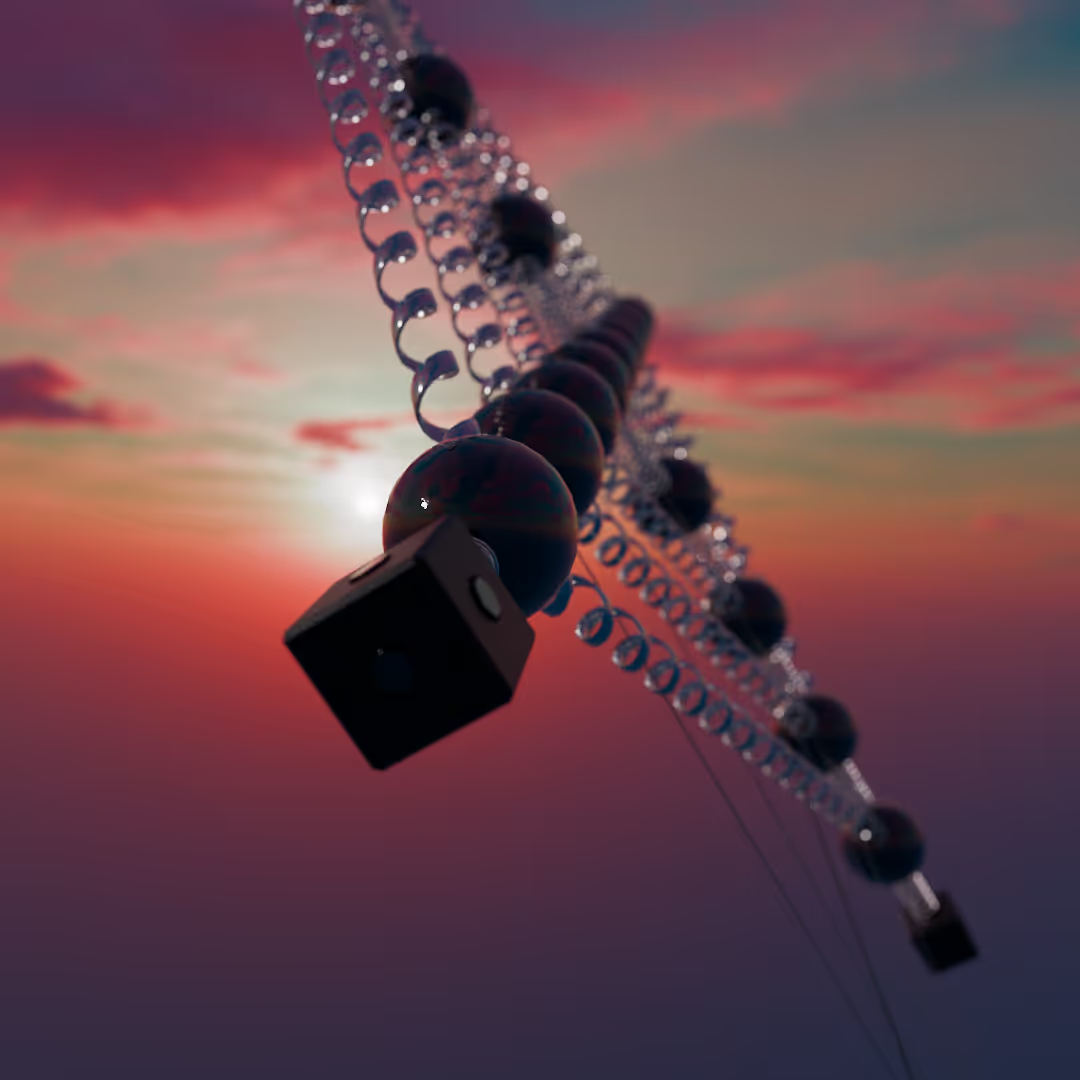
Anukari can be used as a MIDI instrument, an audio effects processor, or both at once. Build any 3D structure you can imagine out of masses, springs, and more. Excite it how you want with mallets, plectrums, etc., and pick up the sound with virtual microphones. Add more objects or take some away to see how the sound changes, and discover something you've never heard before. It's a full-on sonic adventure, and it's entirely up to you what your instrument becomes.

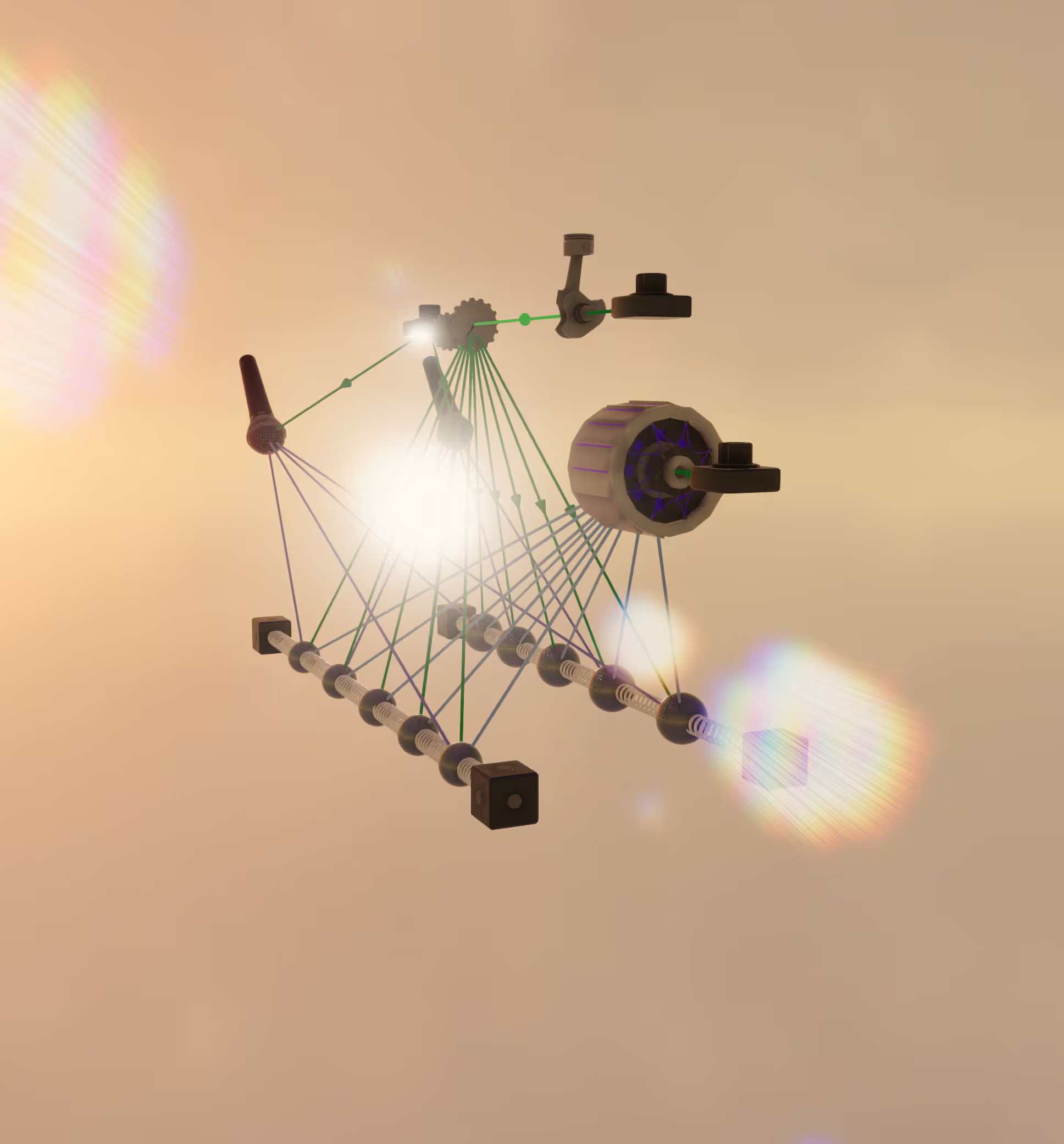
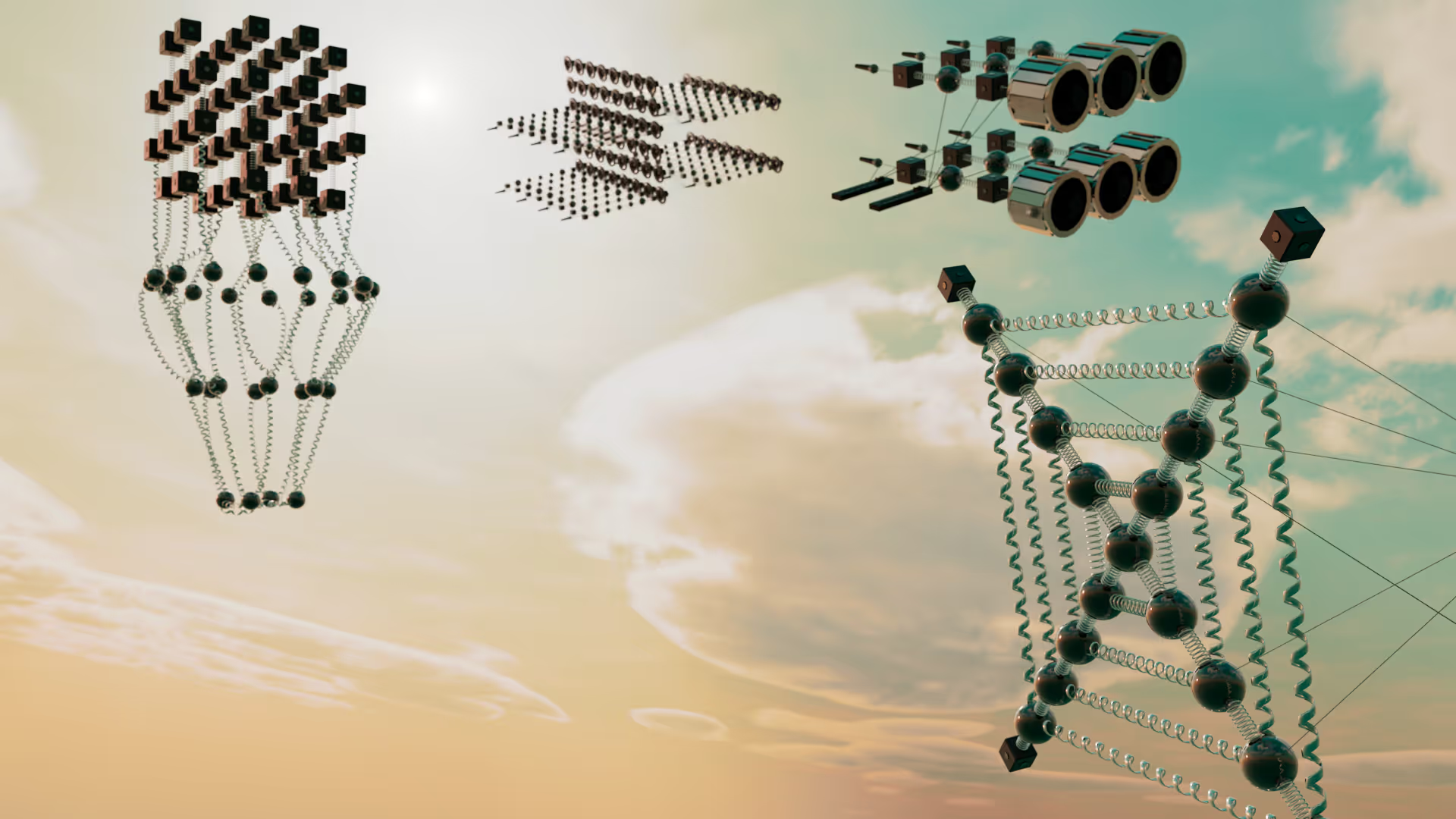
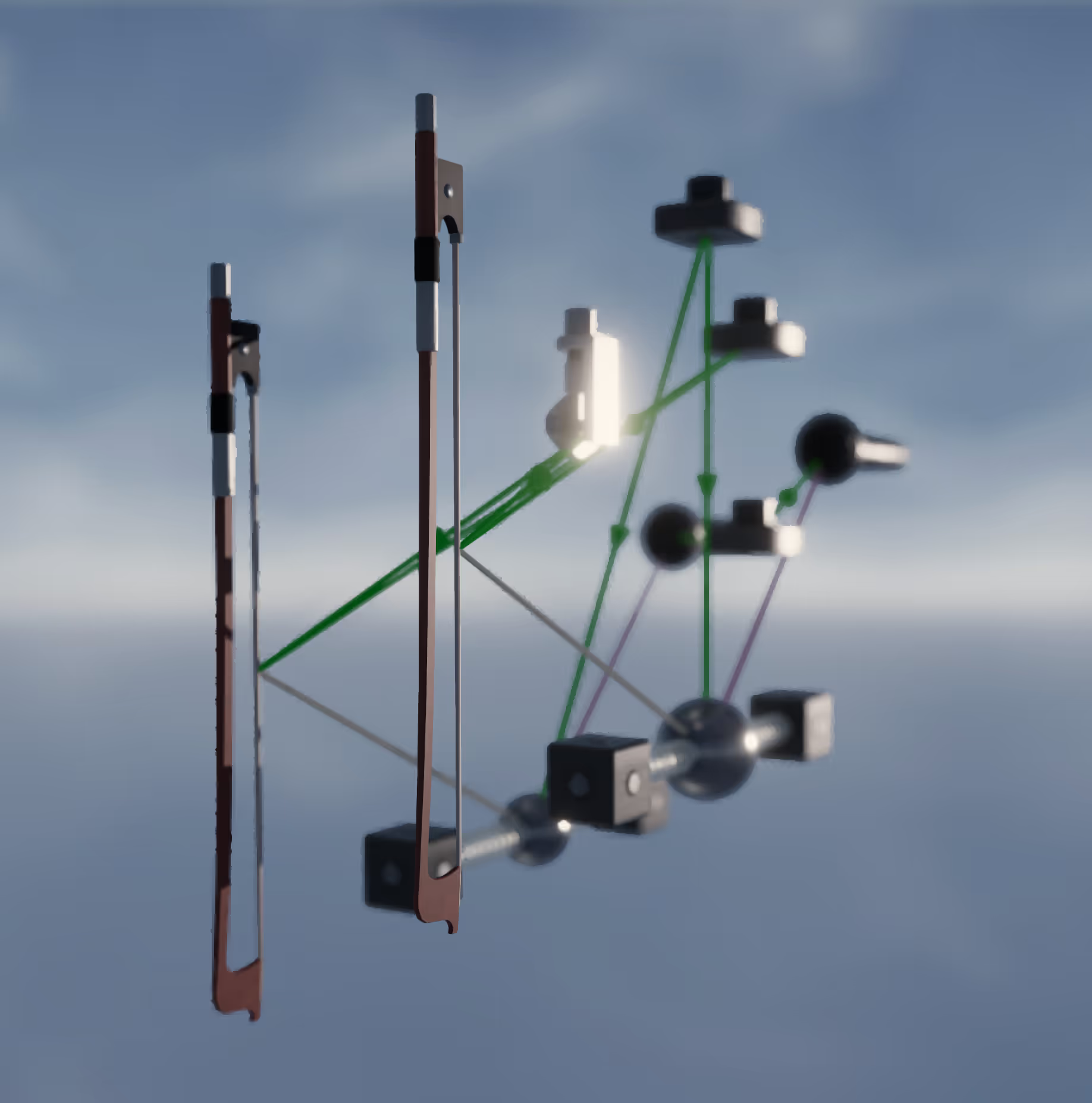
Mallets strike masses with directional impact. Oscillators apply vibrating force using classic waveforms with ADSR. Plectrums pluck masses by pulling and releasing. Bows use negative-feedback modeling for sustained harmonic sounds, which are also great for flute-like tones. And audio signals let you drive masses with external or internal audio, optionally gated by MIDI.
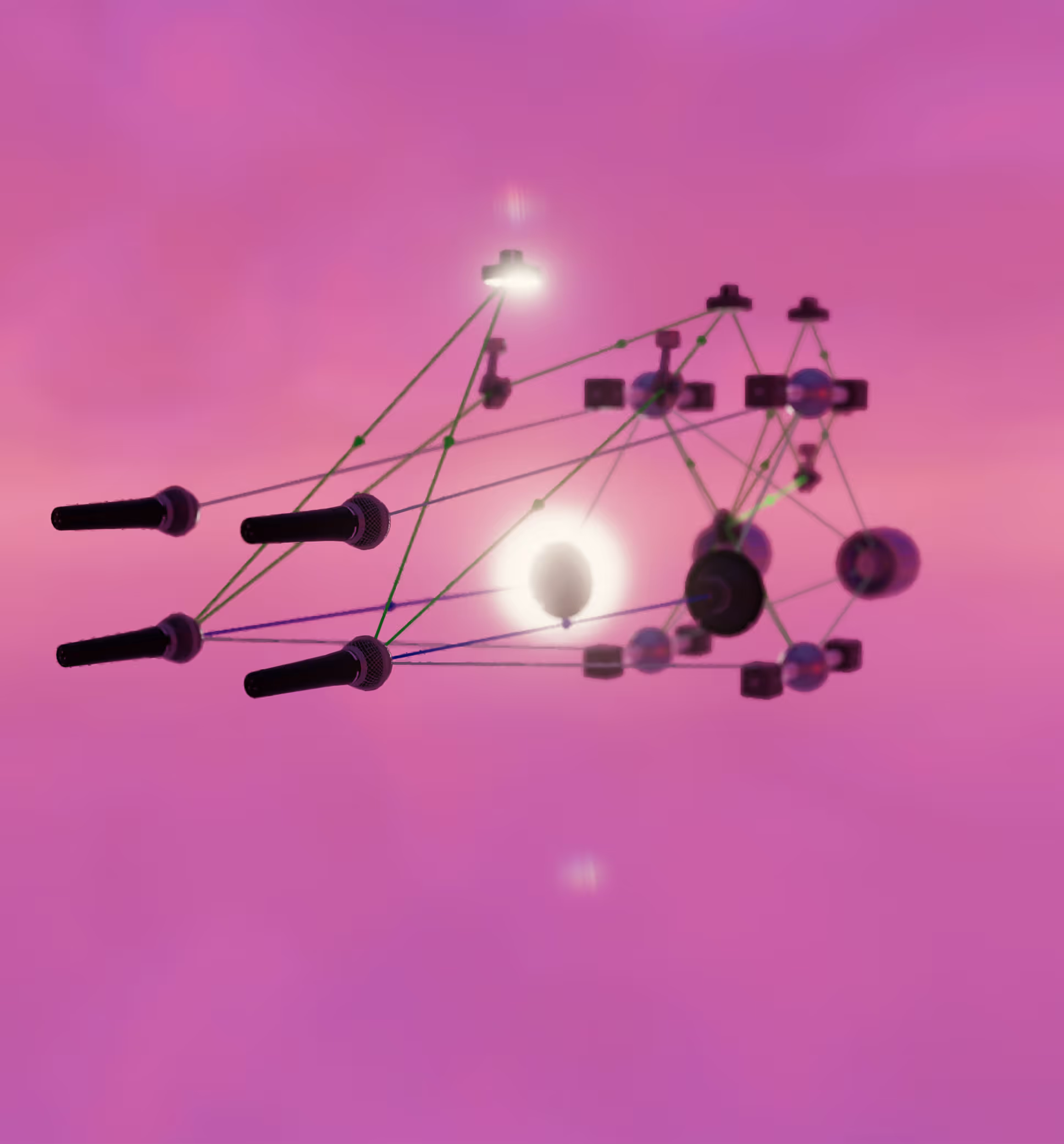
Microphones are directional, more sensitive to vibration in the direction they're pointed. In Anukari, you can rotate them via modulation for Leslie-style effects. Each mic has a built-in compressor for taming big dynamic ranges (or over-compress for interesting distortion). And here's where it gets fun: mics can be routed back into the physics system via delay lines, creating feedback loops. The delay time? Also modulatable.
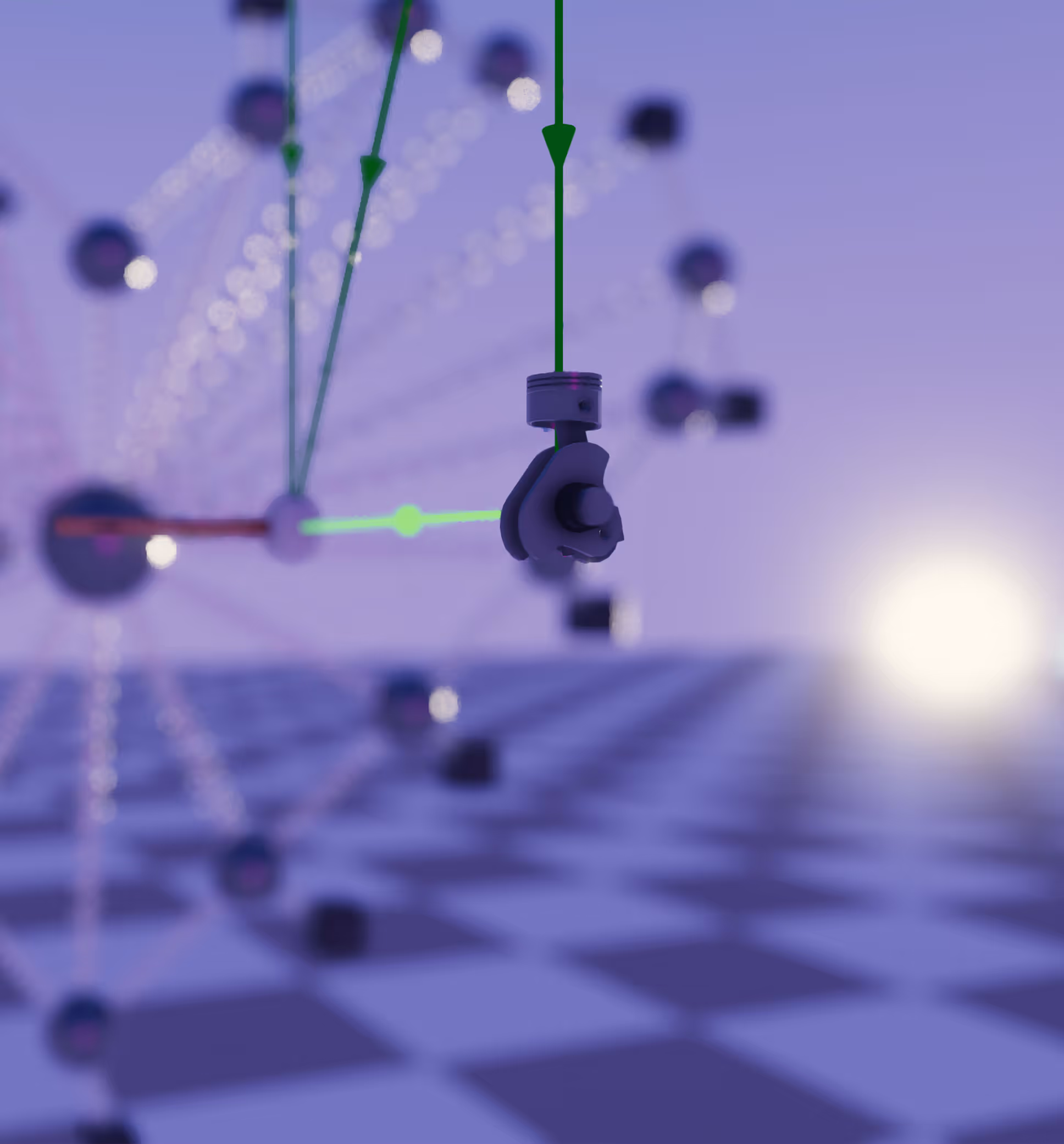
The LFOs are sample-accurate and run from 0.01 Hz all the way up to 20 kHz, so yes, FM synthesis is definitely on the table. They're recursive too, meaning you can feed LFOs into one another. On top of that: MIDI-triggered envelopes, envelope followers that turn mic amplitude into a control signal, every MIDI control source (velocity, pitch bend, CC, pressure, aftertouch), and full DAW automation mapping is right at your fingertips. If it's a parameter... you can probably modulate it in Anukari.

All MPE inputs can be custom-mapped to modulate arbitrary physics parameters, or left on their satisfying defaults so you can just play. Plus full microtuning support via MTS-ESP.
Multichannel audio support for interfaces and DAWs that can handle it. Hook up to an ambisonic dome for interactive 3D soundscapes, or send each mic to its own bus in your DAW.
VST3, AU, AAX on Windows and macOS. Standalone mode too. Uses a fraction of your machine's resources so you can run multiple instances, one as a synth, another as an effect, in the same session.
One-click MP4 capture of the 3D viewport (video) + audio (including optional DAW mix capture). Instant social media content without juggling external screen recording software or having to sync video and audio in post.
Dozens of chainable post-processing shaders (Neon Edge Glow, Kaleidoscope, Fluid Dynamics, etc.) that react to audio in real time and create wild visual effects that are perfect for content creation and live performances.
Anukari comes with a variety of factory skyboxes and 3D models to get exactly the look you want. But you can go even further and import environments and models from Blender or other 3D software.
Anukari is currently in public beta and you can start building your own creations for 50% off!
We've got answers.